Skip to content


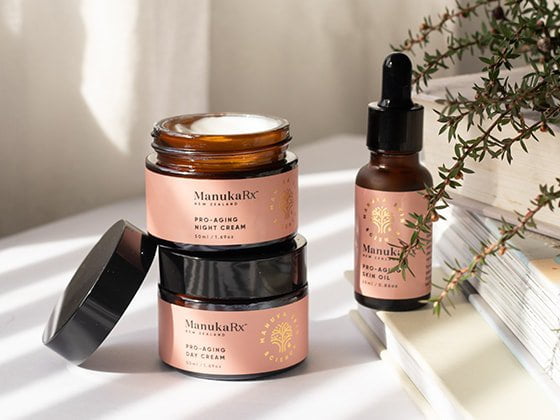
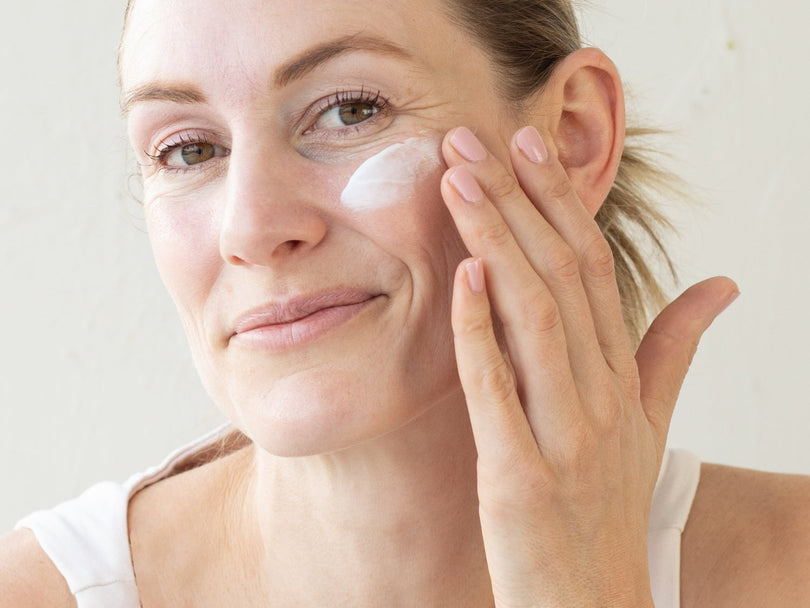

If the skin around your eyes feels dry, looks tired or seems more lined than usual, retinol may not be the only answer. In fact, a gentle, well-rounded eye cream can often be a better starting point for sensitive skin.
Here’s what to look for in a natural eye cream in NZ and Australia, plus a simple way to choose an option that suits your skin goals.
Table of Contents
- Why hydration comes first for the eye area
- Brightening ingredients for dark circles and tired-looking eyes
- Natural eye cream ingredients: what sensitive skin should avoid
- How to choose a natural eye cream in NZ and Australia
- A simple eye-care routine for NZ and Australian skin
- FAQs
- Your natural eye cream checklist
- Sources
- Explore gentle eye care
Why Hydration Comes First for the Eye Area
Skin around your eyes is thin and has fewer oil glands than other areas of your face. It can feel dry or tight quickly. When skin lacks moisture, fine lines often look clearer and makeup can settle unevenly.
Start with moisture before strong actives. Look for humectants, which draw water into skin, plus emollients, which soften skin and reduce moisture loss. Useful ingredients include hyaluronic acid, glycerin, squalane, shea butter, ceramides and oat-derived ingredients.
Dryness often feels worse during travel, seasonal changes, air-conditioned workdays, indoor heating or high UV exposure. A light cream can suit humid Auckland or Brisbane mornings. A richer formula can feel better during Canterbury winters, Melbourne’s cooler months or time spent indoors with heating.
Pro tip: Apply a rice-grain amount for both eyes onto slightly damp skin. Press it around your orbital bone with your ring finger.
Brightening Ingredients for Dark Circles and Tired-Looking Eyes
Dark circles can come from genetics, facial structure, thin skin, allergies, pigmentation, poor sleep, dehydration or natural skin changes. Eye cream cannot remove shadows linked to genetics or hollowing. It can improve dryness and dullness, so under-eyes look smoother and more awake.
Look for vitamin C, Kakadu plum, niacinamide, liquorice-root extract, caffeine and peptides. Use face vitamin C products away from your eye contour unless they are designed for this area. Products can move into your eyes and sting.
Common mistake: Using stronger actives when under-eyes look dark. Stop actives if skin stings, flakes or turns red. Irritation can make eyes look darker and more tired.
Natural Eye Cream Ingredients: What Sensitive Skin Should Avoid
Natural does not always mean gentle. Essential oils, fragrance compounds and concentrated botanical extracts can irritate sensitive skin.
Choose short, purposeful formulas focused on comfort and hydration. Soothing options include colloidal oatmeal, aloe vera, calendula, squalane, glycerin, panthenol and carefully formulated mānuka oil.
Take extra care with added fragrance, parfum, peppermint, citrus, eucalyptus, lavender, high-strength retinoids, exfoliating acids, denatured alcohol and several new actives introduced together.
Pro tip: Patch test on your outer jawline or behind your ear. Start every second or third night if your skin reacts easily. Seek advice from a GP, pharmacist, optometrist or dermatologist for persistent eyelid irritation, eczema, swelling, pain, crusting or sudden changes.
How to Choose a Natural Eye Cream in NZ and Australia
Choose based on your main concern and what you will use consistently.
For dry, crepey-looking under-eyes, choose glycerin, hyaluronic acid, ceramides, squalane, shea butter or panthenol. For dullness, look for niacinamide, vitamin C derivatives, liquorice-root extract or peptides. For morning puffiness, try caffeine, a cooling gel or a chilled applicator. Consider triggers such as salty meals, allergies, eye rubbing and poor sleep.
Choose fragrance-free or low-fragrance products if your eye area is reactive. Tubes and airless pumps suit sensitive ingredients. Jars need clean hands or a spatula.
A Simple Eye-Care Routine for NZ and Australian Skin
Morning:
- Cleanse with lukewarm water and avoid scrubbing.
- Apply eye cream around your orbital bone.
- Moisturise your face if needed.
- Use broad-spectrum SPF every day.
Evening:
- Remove sunscreen and makeup gently.
- Keep retinoids, acids and strong vitamin C away from your eye area.
- Apply eye cream.
- Use moisturiser around, rather than directly over, your eye contour if needed.
FAQs
Is retinol necessary? No. Hydration, gentle application and daily SPF form a strong foundation.
Can regular moisturiser replace eye cream? Yes, if it does not sting or move into your eyes. Eye cream can offer a lighter texture or sit better under concealer.
Can eye cream improve puffiness? Cooling gels, caffeine and gentle massage can reduce mild morning puffiness for a short time. Seek medical advice for sudden, painful, one-sided or ongoing swelling.
Your Natural Eye Cream Checklist
Before buying, ask yourself:
- Is my main concern dryness, fine lines, dark circles, puffiness or sensitivity?
- Does it contain glycerin or hyaluronic acid?
- Is it fragrance-free or low-fragrance?
- Am I trying one new active at a time?
- Will I use SPF daily?
- Have I patch tested it?
Start with hydration, add brightening or firming ingredients where they suit your goals, and give your routine time.
Sources
Explore Gentle Eye Care
Learn more about the Restorative Eye Cream from ManukaRx for a gentle addition to your eye-care routine.